Data foundations for development programmes: why reporting takes so long
Programme teams spend days assembling each donor report. The cause is usually upstream, in how indicators are defined and data is captured.
- Author
- Data & Intelligent Solutions PracticeGayduo Advisory
- Published
- Reading time
- 1 min
- Topic
- Data
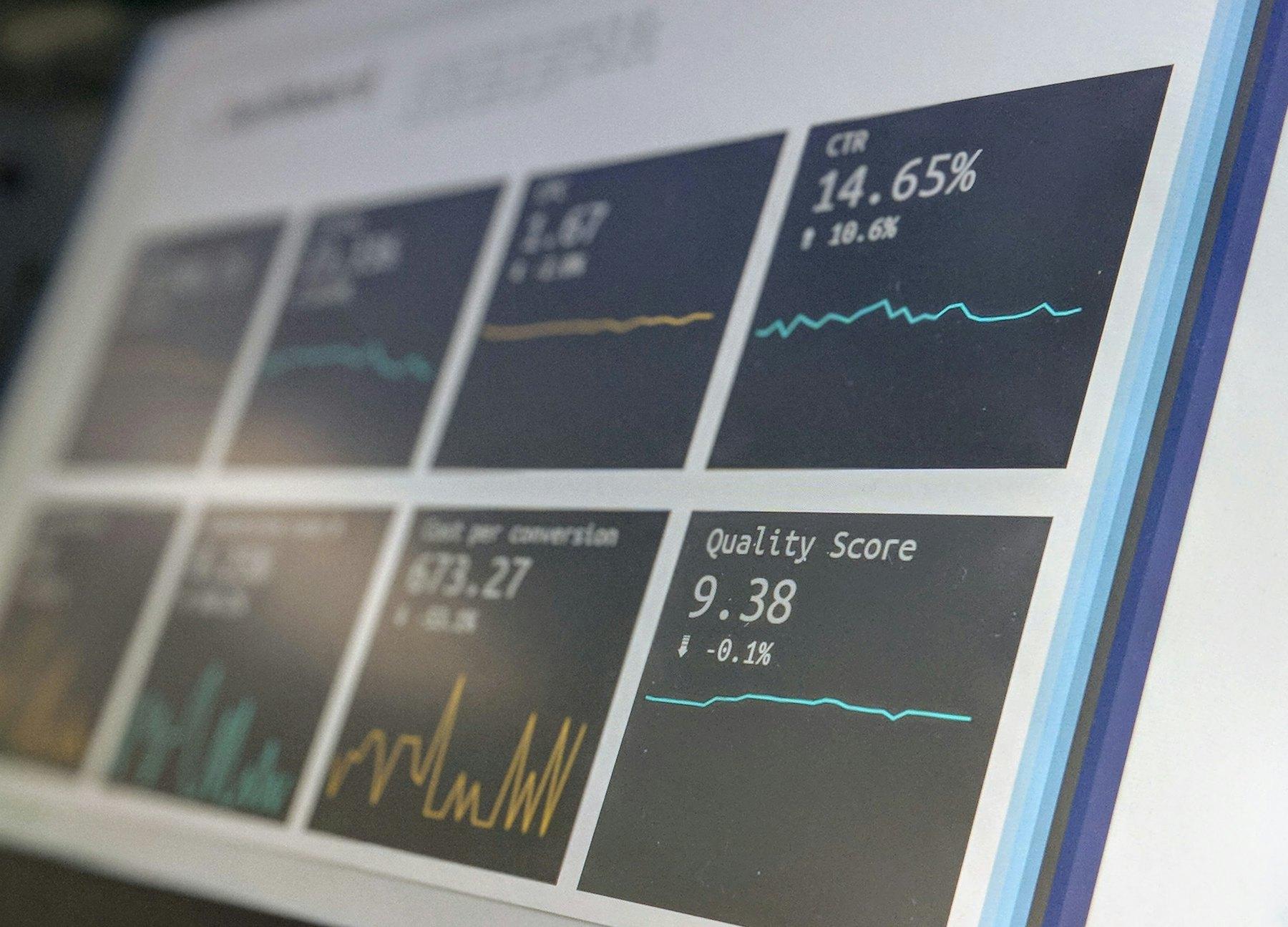
In conversations with programme and M&E teams, the same pattern recurs. Reporting is treated as a task at the end of the quarter, when it is really the product of decisions made at the start of the programme.
Common causes of slow reporting
Indicators defined in the log-frame but not translated into data fields and calculation rules.
The same indicator collected by different partners on different forms.
Field data captured on paper and transcribed weeks later.
No single person accountable for the quality of each data source.
What a data foundation looks like
A data foundation is less about technology than about agreements. Each indicator has a written definition, a calculation, a source and an owner. Collection tools are built from those definitions. Data flows into one store where quality checks run automatically. Reports are produced from that store.
With that in place, a quarterly report becomes a review of numbers rather than a hunt for them. It also creates something programmes rarely have at close-out: a clean dataset that a successor programme can build on.