Kinja: The Operating System for Africa's Agricultural Value Chains
A value-chain platform for African agriculture that records every handoff of a crop, from farmer to final sale, and pays farmers through mobile money.
- Client
- Kinja
- Industry
- Corporate & Enterprise
- Practice
- Technology & Engineering
- Service
- Software Engineering
- Year
- 2026
- Status
- In development
01
Project overview
Agricultural value chains connect farmers, cooperatives, manufacturers, distributors and customers, but the records of what moved, what was paid and who was paid usually live in separate notebooks, spreadsheets and phones. Kinja connects them in one system. Each coordinating company runs a hub where every delivery, transfer, production batch, order and farmer payment is recorded, so goods, money and impact can be traced end to end.
Crops change hands many times before they are sold, and each handoff was recorded separately, if at all. Farmers were paid in cash or by mobile money with no reliable link to the deliveries the payments were for, while buyers and funders increasingly asked where products came from.
02
Our approach
We modelled the value chain as a sequence of handoffs, each recorded by the people who actually make it: cooperatives record deliveries, senders and receivers both confirm transfers, manufacturers record batches and distributors record orders.
We isolated each coordinating company in its own hub, with its own crops, grades, prices and member organizations, so the platform can serve several value chains without mixing their data.
We made every country-specific detail — currency, language, time zone, phone format and enabled mobile money providers — configuration rather than code.
We kept storage behind a single repository interface so the product could be developed and demonstrated before choosing a production database.
03
What we built
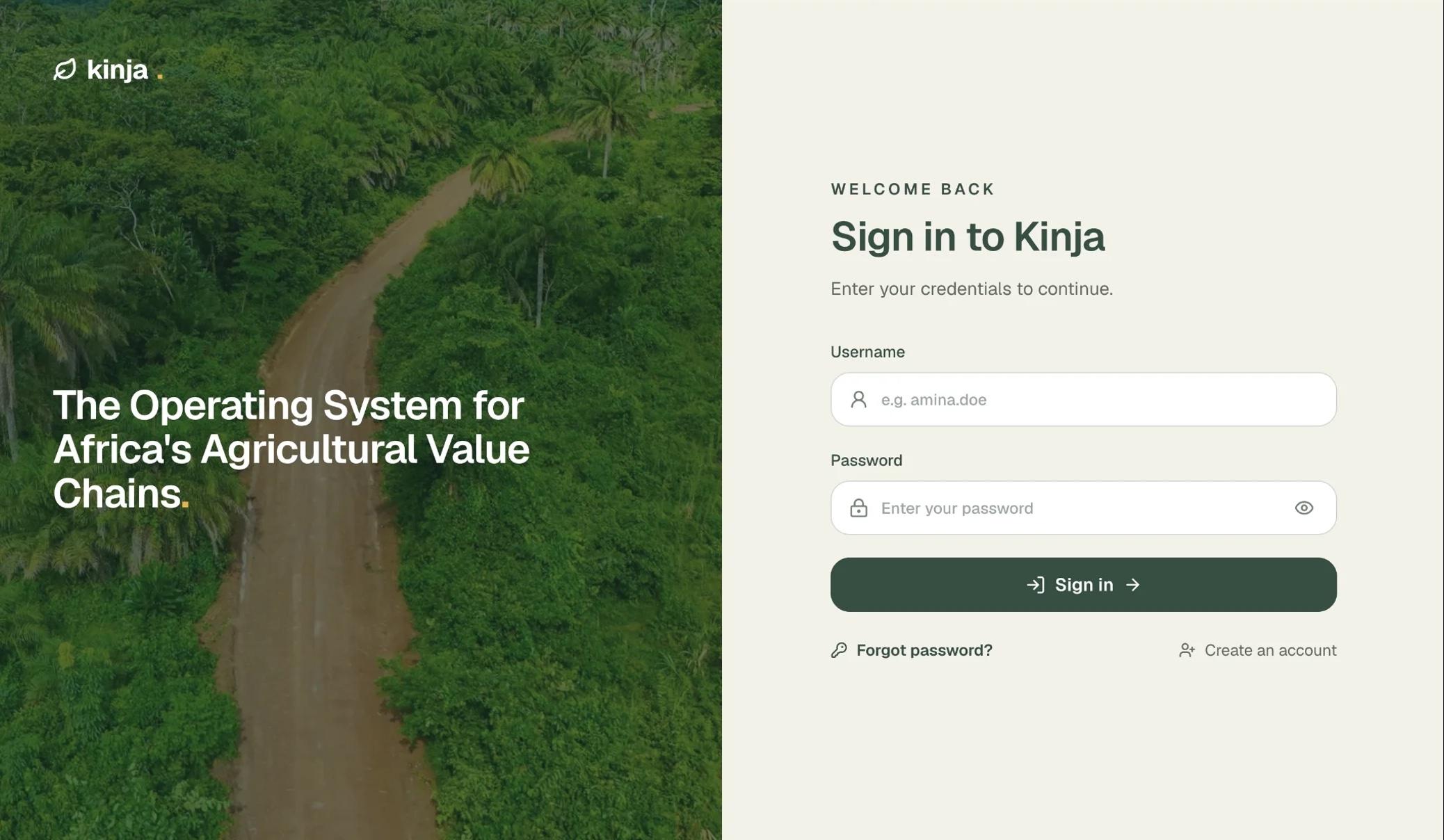
Role-based workspaces for hub administrators, cooperatives, manufacturers and distributors, with access granted through invites that carry a fixed role and organization.
A cooperative field workflow for registering farmers and their plots, and for recording deliveries that are weighed and graded on receipt.
Farmer payouts sent through mobile money (MTN MoMo and Orange Money in Liberia) or recorded as cash, each linked to the deliveries it pays for.
Transfers between organizations confirmed by sender and receiver, manufacturing batches linked to the raw materials they used, and distributor orders, sales, invoices and collections.
Hub setup for crops, grades, prices and teams, country and currency configuration, data exports and an audit log.
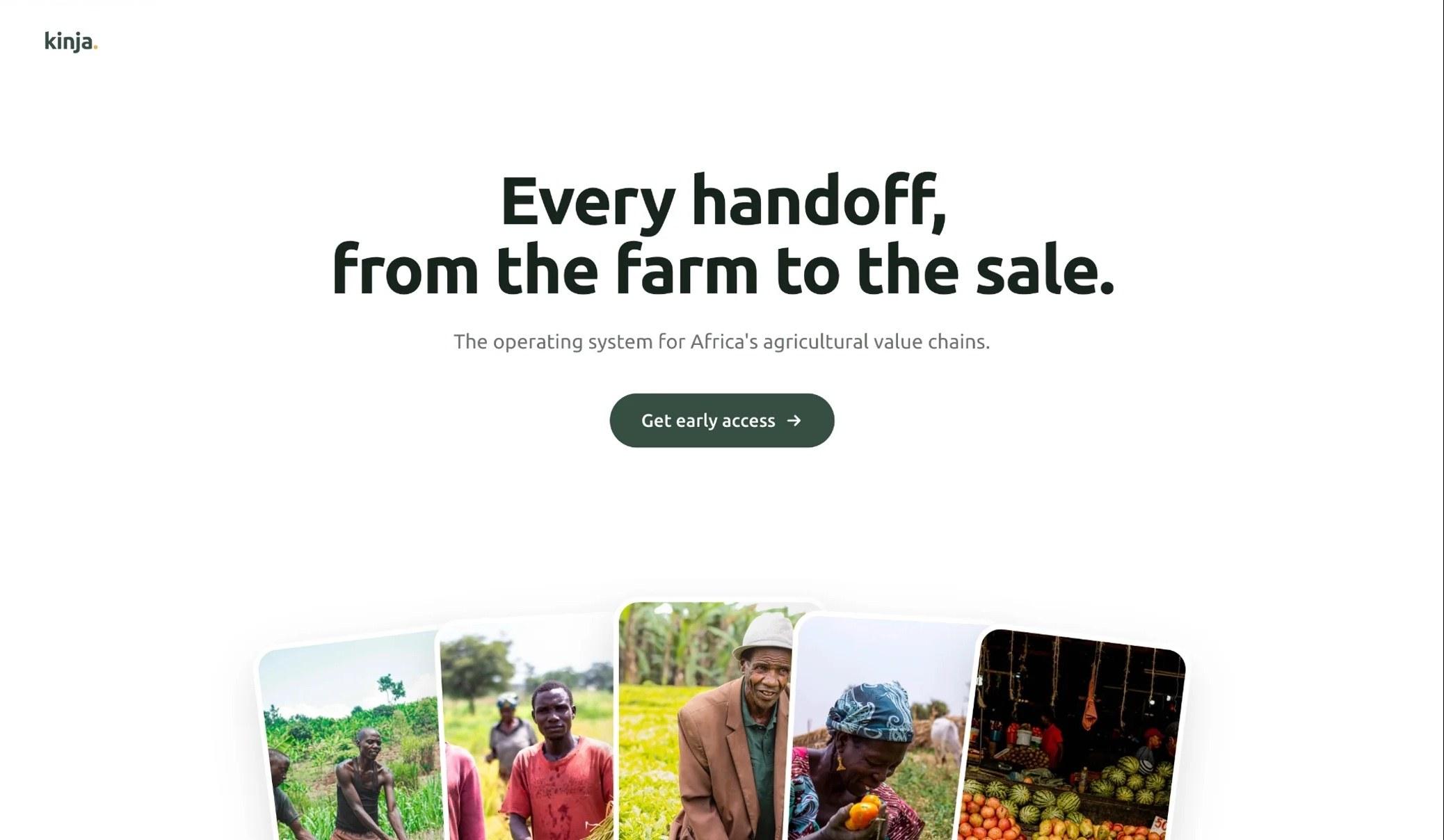
A public waitlist site for early access, presenting the platform to cooperatives, buyers and partners.
04
Technologies used
- Next.js
- TypeScript
- Tailwind CSS
- Progressive web app
- Mobile money (MTN MoMo, Orange Money)
- Vitest
05
Project gallery